
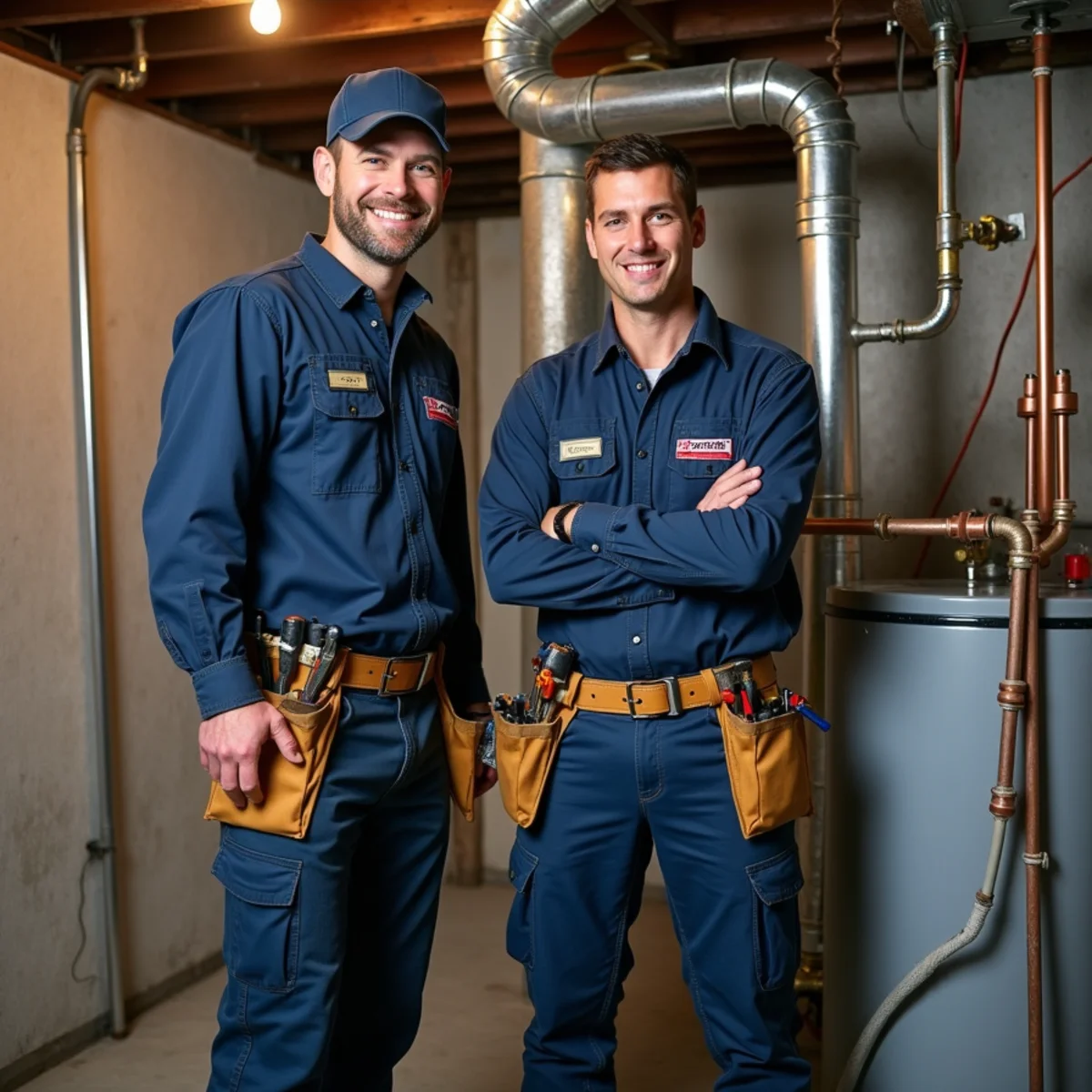
Converting from heating oil to an electric heat pump in Harford County typically costs $8,000 to $16,000+ depending on whether your home already has ductwork or requires ductless mini-splits. Homeowners save $1,200 to $2,500 annually in avoided fuel oil deliveries, eliminate oil tank leak liability, gain central air conditioning, and qualify for up to $2,000 in federal tax credits plus EmPOWER Maryland rebates. However, homes with cast-iron radiators must decide between keeping radiant boiler heat or transitioning to zoned mini-splits.
Why Harford County homeowners are moving away from heating oil
Roughly 6% of homes in greater Bel Air, Fallston, Forest Hill, and northern Harford County still burn #2 fuel oil for winter heating. While fuel oil produces rich, high-temperature heat, relying on seasonal oil deliveries has become increasingly unpredictable, costly, and frustrating for modern homeowners.
Between volatile global crude oil markets and regional winter delivery premiums, heating oil bills regularly exceed $2,500 to $4,000 per winter for a typical 2,500-square-foot colonial in Fallston. Beyond fuel expenses, aging residential oil storage tanks present serious financial and environmental liabilities. A slow baseline leak from an underground tank or rusted basement tank seam can contaminate soil and groundwater, triggering thousands of dollars in mandatory environmental remediation under Maryland Department of the Environment (MDE) oversight.
Furthermore, traditional oil heating provides zero cooling in the summer. Homeowners are forced to juggle noisy, inefficient window air conditioners that block natural light and struggle against humid Chesapeake Bay summers.
Cost comparison: oil boiler replacement vs. heat pump conversion
When an aging oil furnace or boiler reaches 20 to 30 years of age, homeowners face a critical financial fork in the road: replace the oil appliance with another oil unit, or convert to modern electric heat pump technology.
Replacing an old oil boiler with a new cast-iron oil boiler (such as a Burnham or Weil-McLain) typically costs between $6,500 and $10,500 installed. While this allows you to keep your existing baseboard convectors or cast-iron radiators, it keeps you chained to fluctuating fuel oil prices, requires mandatory annual burner cleaning ($200–$350), and still leaves you with no summer cooling.
Conversely, converting to a whole-home cold-climate heat pump system generally costs between $9,000 and $16,500 before rebates and tax credits. Although initial capital investment is higher, operating expenses drop by 35% to 50% immediately. When paired with federal Section 25C tax credits (up to $2,000) and EmPOWER Maryland utility rebates (often $1,000 to $3,000+), the net upfront difference is significantly compressed, and the operational payback is typically realized in 4 to 6 heating seasons.
Ductless mini-splits vs. central ducted heat pumps: which fits your floor plan?
The optimal conversion path depends entirely on whether your Harford County home already contains functional ductwork:
Evaluating equipment architecture for fuel conversions:
- Central Ducted Inverter Heat Pump: Ideal for homes that already have ductwork (e.g., an oil furnace with existing supply/return trunks, or a home with an existing central AC system paired with an oil boiler). An inverter heat pump replaces the outdoor condenser and indoor air handler, utilizing existing duct pathways while delivering variable-speed heating down to -13°F.
- Ductless Multi-Zone Mini-Splits: The gold-standard solution for radiator-heated historic homes in downtown Bel Air and Havre de Grace without ductwork. Independent wall-mounted, floor-mounted, or ceiling-cassette air handlers are placed in primary living zones, connecting via slim 3-inch refrigerant conduits to a single exterior condenser.
- Dual-Fuel Hybrid System: If your property has natural gas access or bulk LP propane on-site, pairing a high-efficiency electric heat pump with a gas furnace backup provides ultimate flexibility: heat pump efficiency during mild weather (above 35°F) and robust combustion warmth on bitter freezing nights.
What happens to your old oil tank, lines and cast-iron radiators?
A common concern during an oil-to-heat-pump conversion is what to do with the legacy infrastructure. Aboveground basement or outdoor fuel oil tanks must be pumped clean of residual sludge, disconnected from fuel lines, cut or dismantled, and legally recycled by certified environmental contractors.
Underground oil tanks must be evaluated according to Maryland regulations. Homeowners typically choose between soil testing and proper foam-filling abandonment or complete excavation and removal. Removing an underground tank eliminates future disclosure liabilities when selling the home.
If you transition to a whole-home ductless mini-split system, you can choose to leave historic cast-iron radiators in place as architectural features or carefully drain, disconnect, and remove them to reclaim valuable floor and wall space in living areas.
Maximizing savings with EmPOWER Maryland and federal tax credits
Converting from fossil fuel oil heat to high-efficiency electric heat pumps qualifies for some of the most aggressive clean energy incentives in the country. Under the federal Inflation Reduction Act (Energy Efficient Home Improvement Credit, Section 25C), homeowners can claim a 30% federal tax credit up to $2,000 on qualified Consortium for Energy Efficiency (CEE) Tier 1 and Tier 2 heat pumps.
Additionally, the EmPOWER Maryland program — funded through electric utilities including BGE — offers substantial instant discounts and mail-in rebates for qualifying high-efficiency heat pump replacements. Bynum Run Air Experts provides all required AHRI certificates, load calculations, and technical documentation so you receive every dollar of incentive you deserve.
Frequently Asked Questions
Quick answers based on Harford County equipment and climate realities.
What do I do with my old oil tank when converting?
Aboveground basement or exterior oil tanks can be drained, decommissioned, and hauled away by certified environmental contractors. Underground tanks must be properly abandoned or pulled according to Maryland Department of the Environment (MDE) regulations.
Will a heat pump keep my Fallston home warm during sub-freezing Maryland nights?
Yes. Modern cold-climate inverter heat pumps utilize advanced variable-speed scroll compressors and enhanced vapor injection technology that extract heat from outdoor air down to -13°F. Unlike 1980s heat pumps that blew lukewarm air, modern units deliver consistent 105°F to 115°F register warmth even when outdoor temperatures dip into the teens.
How much can I save on annual heating bills by switching from oil to a heat pump?
Most Harford County homeowners save between $1,200 and $2,400 annually after converting from #2 fuel oil to an electric heat pump, depending on seasonal oil prices and winter weather severity. The savings are even greater if the heat pump replaces aging window air conditioners in summer.
Can I keep my cast-iron radiators and add a heat pump for summer cooling?
Yes. Many historic homeowners in Bel Air and Havre de Grace choose a hybrid approach: they maintain their existing boiler and cast-iron radiators for gentle winter radiant heat, while installing a ductless mini-split system to provide whole-home summer cooling and supplemental heating during mild autumn and spring days.
Have a specific question about your HVAC system?
Related Bel Air HVAC Services & Coverage Areas
Have Questions About Your Heating or Cooling System?
Speak directly with a local dispatcher who knows Harford County equipment, fuel lines, and climate requirements.
Bynum Run Air Experts
Serving Bel Air, MD 21014 and nearby areas
Open 24 hours, 7 days a week