
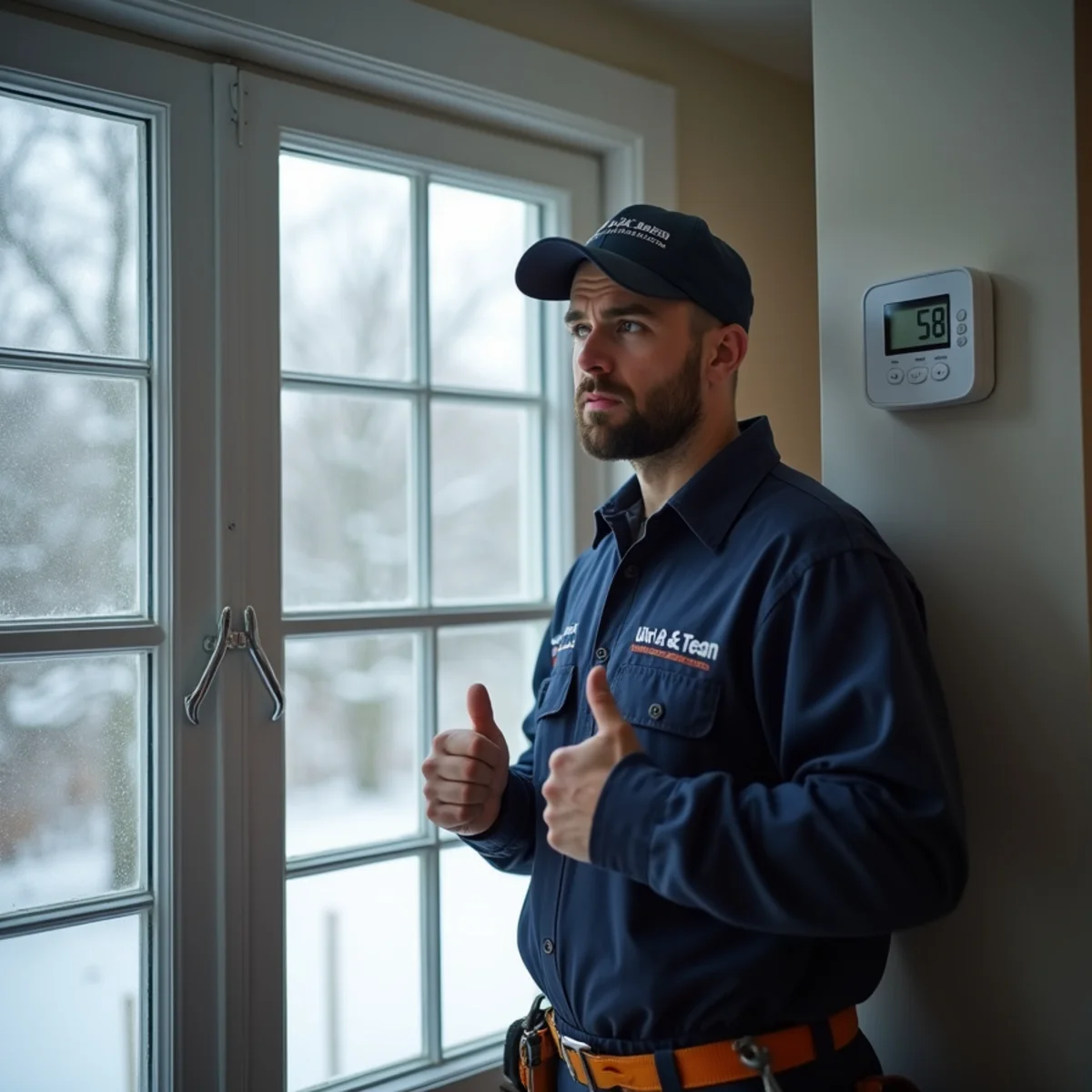
If your heat quit and your house is dropping into the 50s, run through these essential checks first: confirm your thermostat is set to HEAT and at least 3 degrees above room temperature (replace batteries if blank); make sure the furnace emergency switch on the wall or ceiling is ON; replace a dust-clogged air filter; check your electrical service panel for a tripped breaker; and ensure all supply and return grilles are unobstructed. If you smell natural gas or your carbon monoxide alarm is beeping, do not troubleshoot — leave the house immediately and call 911 or BGE from outdoors.
When NOT to troubleshoot: immediate safety hazards
Before touching any appliance, prioritize life safety. If you smell raw natural gas or propane (a distinct sulfurous or rotten-egg odor), leave the building immediately without touching light switches or electrical cords. Once outside, call 911 and BGE from a safe distance.
Similarly, if a carbon monoxide detector is sounding, or if you see smoke or smell burning electrical insulation from your furnace, shut the breaker off if safe to do so, evacuate the home, and call for emergency help. Never attempt amateur repairs on gas valves or combustion flues.
Check 1: Thermostat mode, temperature setpoint and batteries
It may sound simple, but dead thermostat batteries or an accidental switch to "COOL" or "OFF" causes dozens of emergency service calls each winter. Ensure the mode is set to HEAT, raise the setpoint 5 degrees above current room temperature, and install fresh AA or AAA alkaline batteries if the display is dim or flashing.
If you have a programmable or smart thermostat (such as a Nest or Ecobee), ensure a vacation hold or schedule override is not holding the heat back.
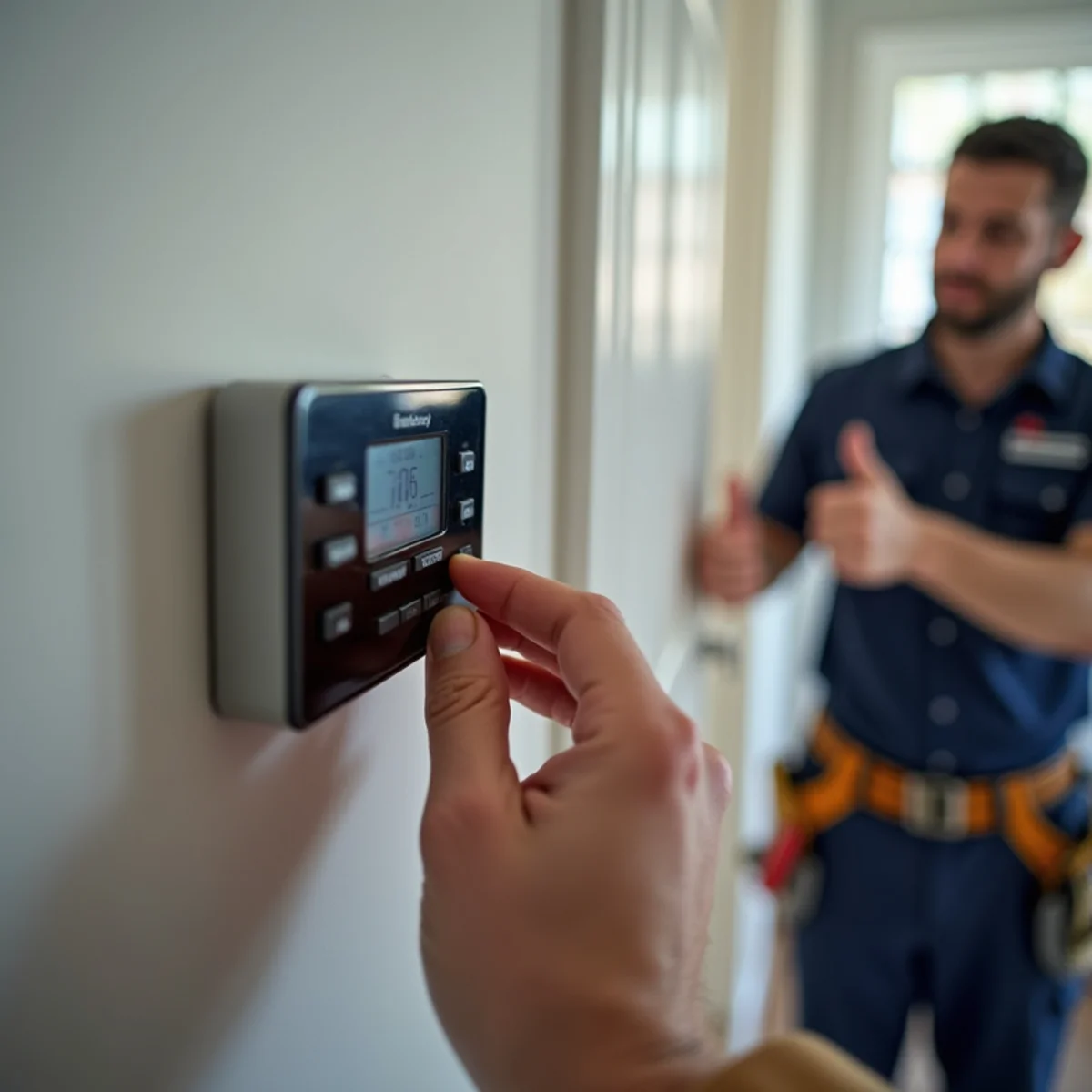
Check 2: The furnace power switch
Nearly every residential furnace in Harford County is controlled by a standard electrical toggle switch mounted directly on the furnace cabinet or on a nearby wall or ceiling joist. This switch looks identical to a standard light switch.
It is remarkably common for family members, contractors, or holiday storage boxes in basements or utility closets to accidentally flip this switch to OFF, instantly cutting all 120V power to the heating control board.
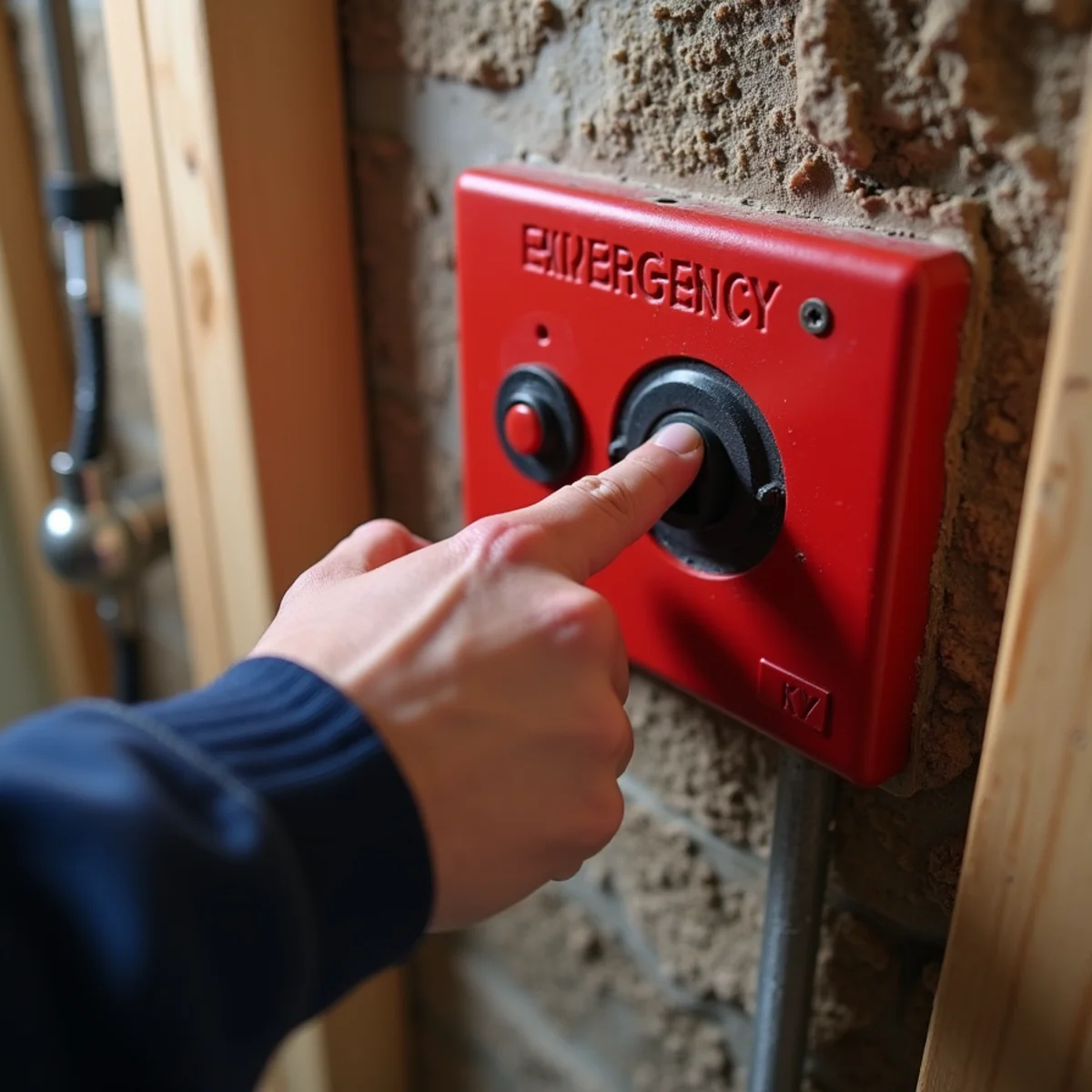
Check 3: The furnace air filter
A furnace filter packed with pet fur and dust acts like a chokehold on your HVAC system. When airflow drops below minimum cubic-feet-per-minute (CFM) thresholds, the heat exchanger rapidly overheats.
Modern furnaces feature high-limit safety sensors that automatically shut off the burner gas valve to prevent metal cracking. Slide out your air filter; if it is gray and opaque, replace it with a fresh, correctly sized filter.
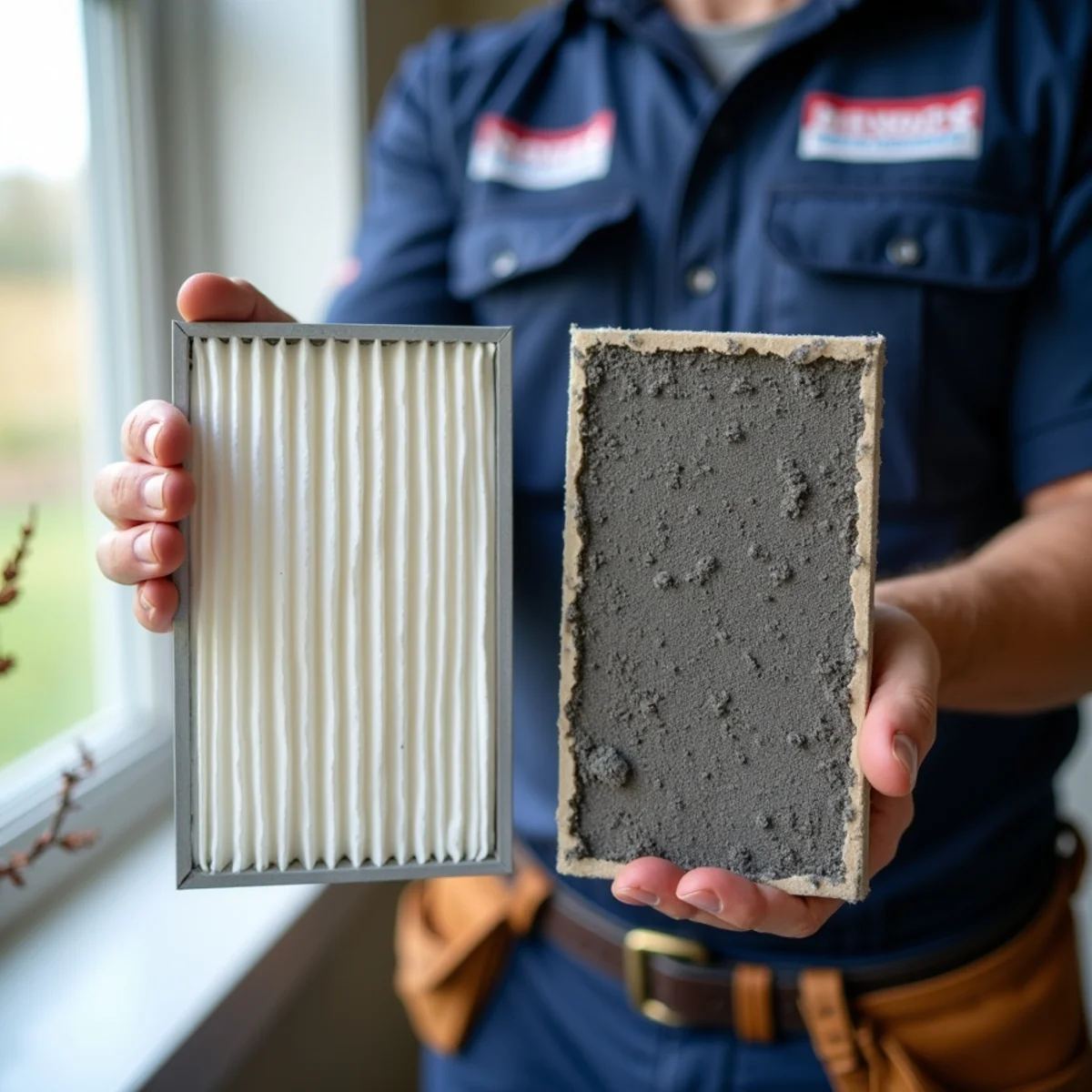
Check 4: The electrical circuit breaker panel
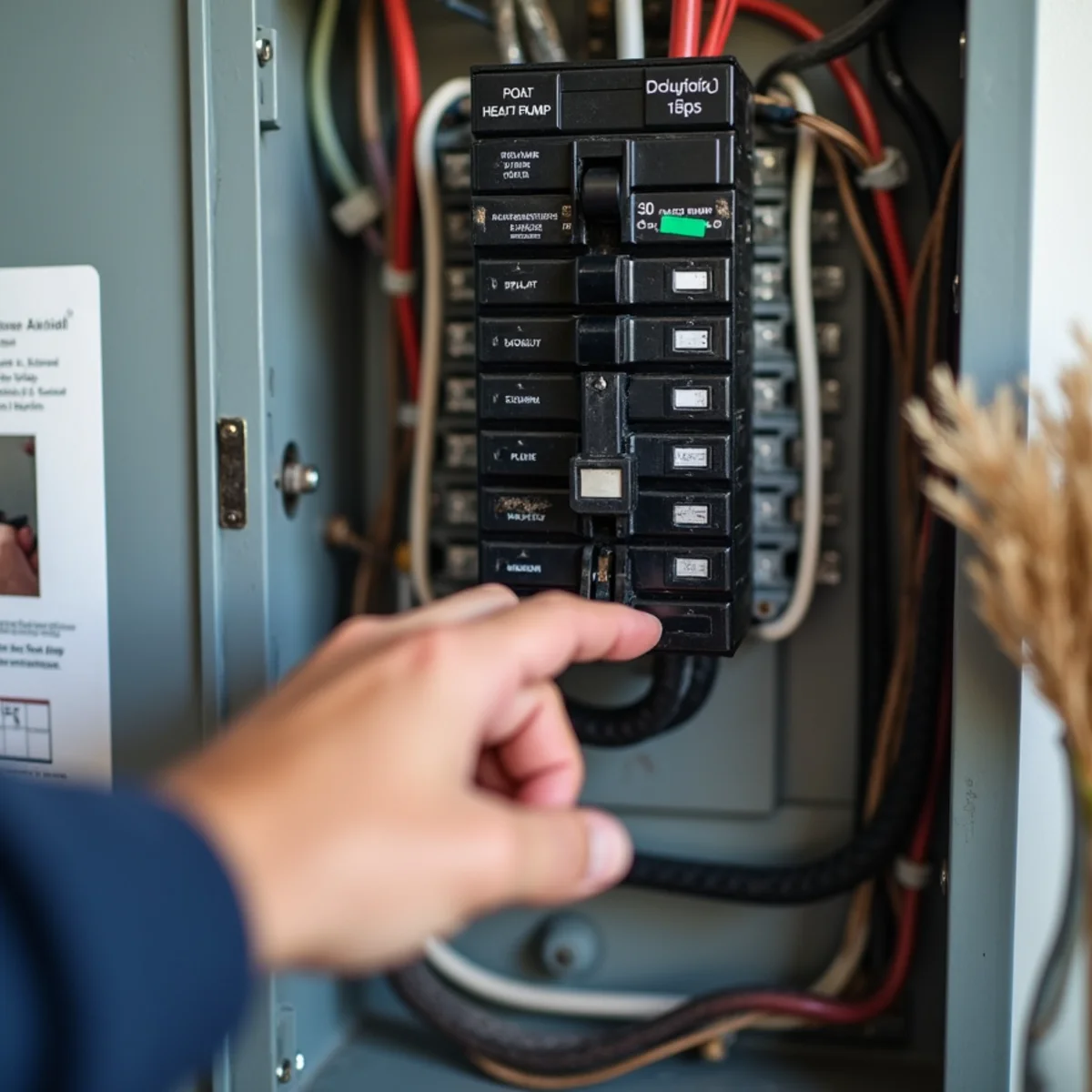
Locate your home’s electrical service panel and check the breaker labeled "Furnace", "Air Handler", or "Heat Pump." If a breaker has tripped, the handle will be caught in the middle position between ON and OFF.
Firmly push the breaker handle all the way to OFF until it clicks, then snap it firmly back to ON. If the breaker trips again immediately, stop: an electrical short or seized motor requires professional diagnostic tools.
Check 5: The furnace blower compartment door
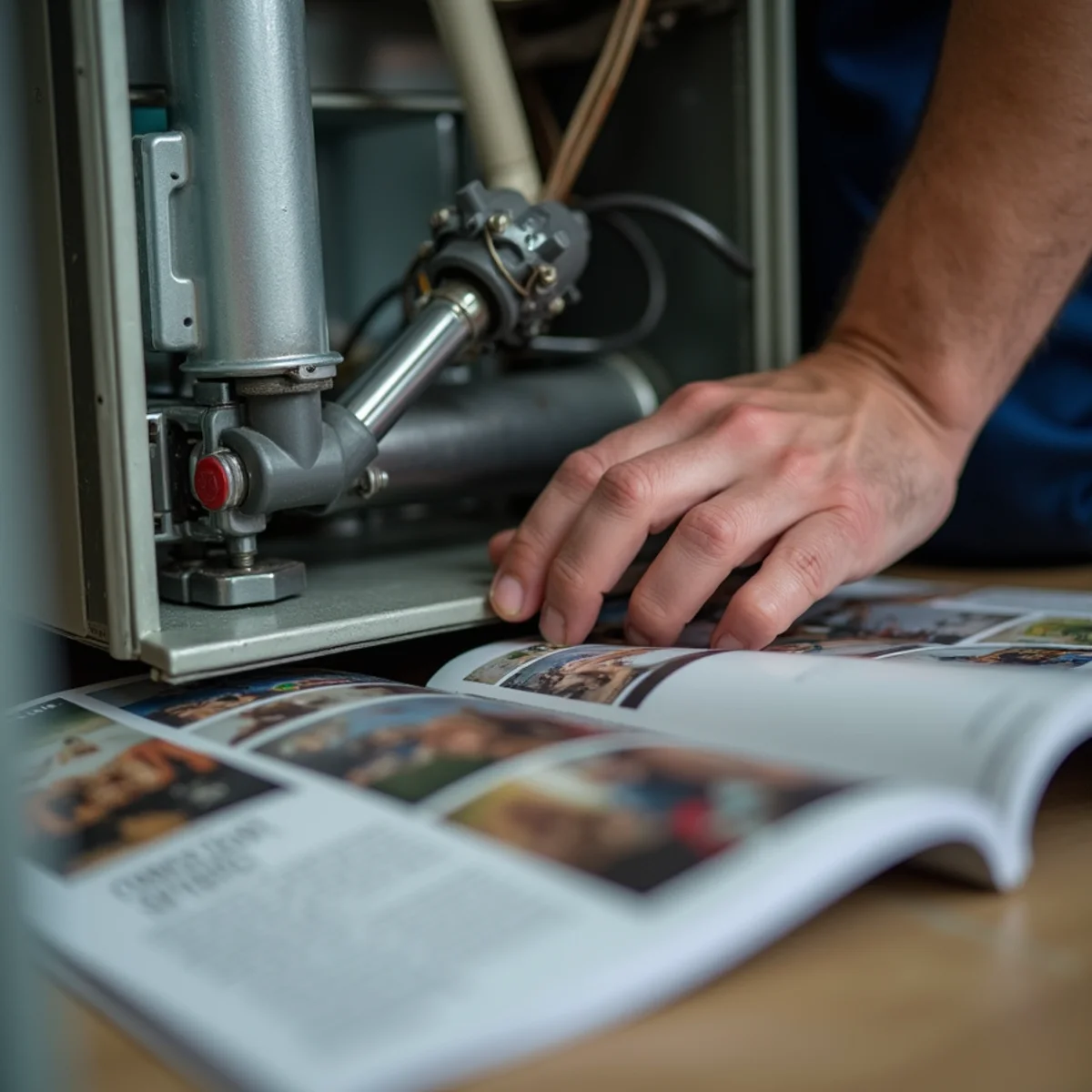
Modern residential furnaces are equipped with a spring-loaded door safety interlock switch. If the lower blower cabinet panel is not securely latched or seated flush after an air filter change, the switch will stay open, cutting all power to the ignition system.
Check 6: Condensate drain lines on high-efficiency 90%+ furnaces
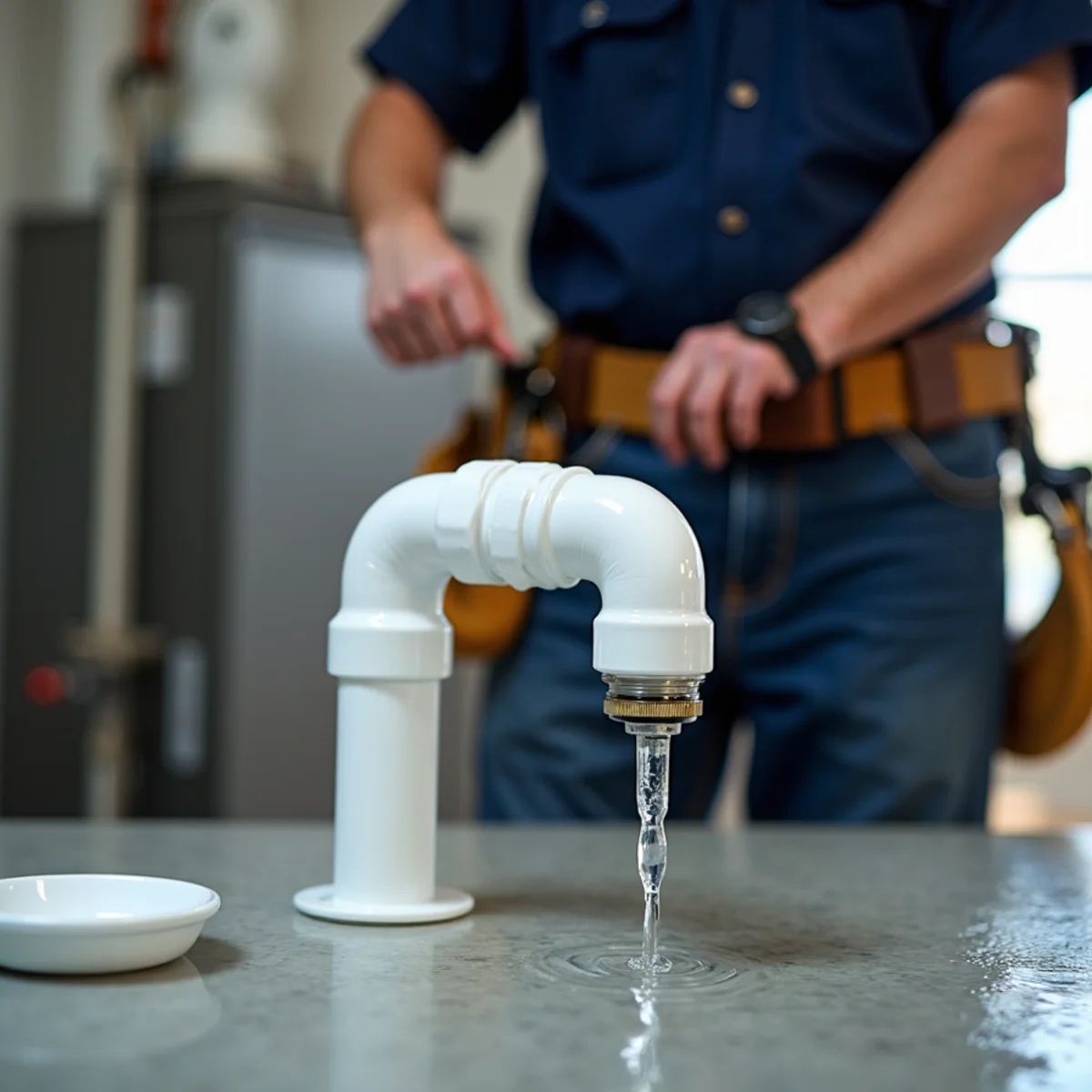
High-efficiency condensing gas furnaces produce acidic water as part of the combustion process. If the clear vinyl condensate trap or drain line becomes clogged with slime or sediment, water backs up into the collector box, triggering a pressure switch lockout.
Check 7: Exterior PVC exhaust and intake vents
Walk outside your home and check where the white PVC flue pipes exit the exterior wall. During heavy snowfall, windstorms, or autumn leaves, exterior vent terminals can become obstructed, preventing the draft inducer from proving airflow.
Check 8: Heat pump emergency heat setting
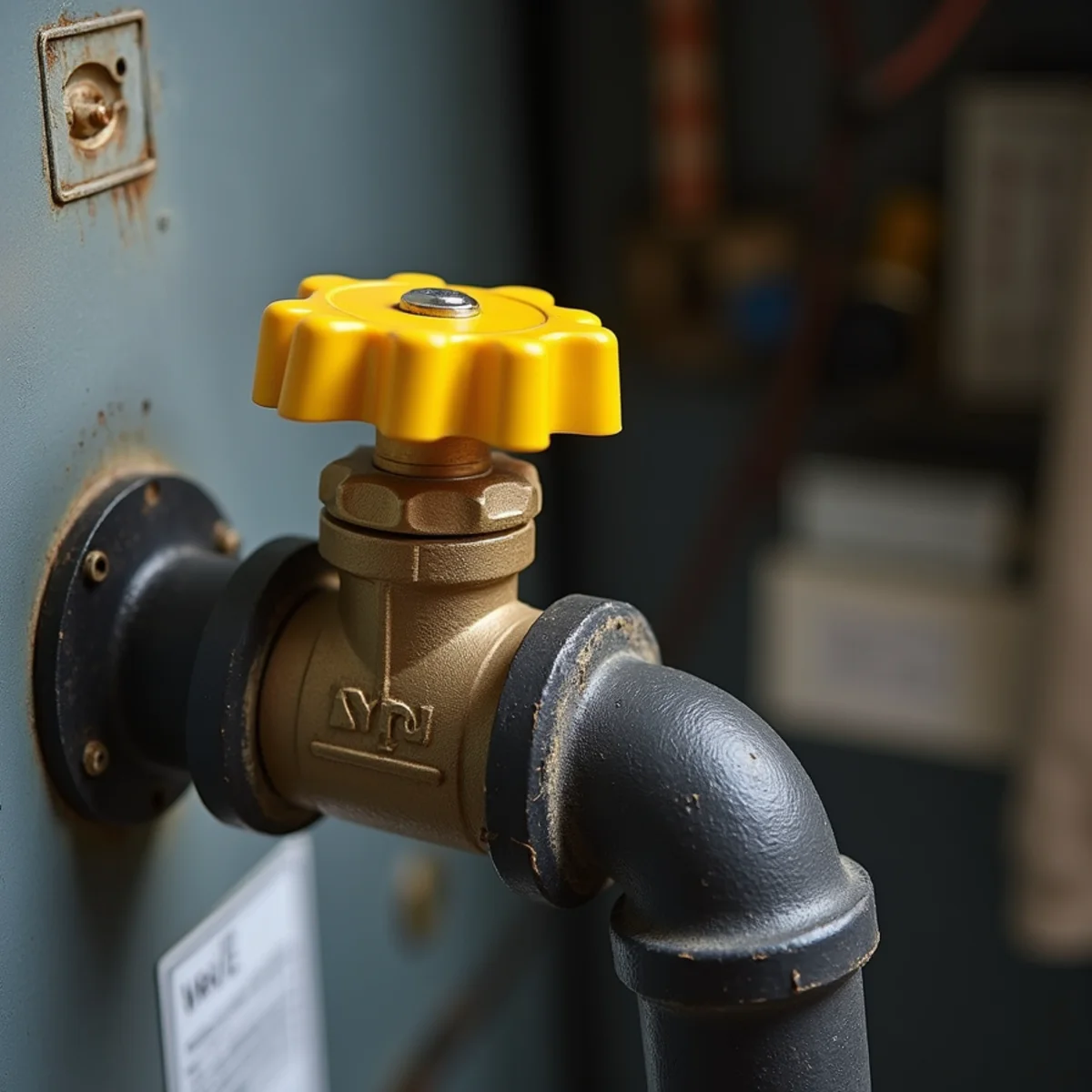
If your home heats with an electric heat pump and the outdoor unit has failed or iced over, switch your thermostat setting to "EM HEAT" (Emergency Heat). This engages the indoor auxiliary electric resistance heat strips, providing steady temporary heat while you await a repair technician.
Frequently Asked Questions
Quick answers based on Harford County equipment and climate realities.
Why does my furnace click 3 times and then shut off?
Three repeated clicks followed by silence usually indicates an ignition failure. The furnace is attempting to light the burners, but an oxidized flame sensor, cracked hot-surface igniter, or stuck gas valve fails to prove a flame, triggering a 1-hour control board safety lockout.
Can a dirty filter really cause a furnace to stop heating?
Yes. Restricting return airflow causes the furnace heat exchanger to overheat within minutes, tripping the primary high-temperature limit switch and shutting off gas flow.
Have a specific question about your HVAC system?
Related Bel Air HVAC Services & Coverage Areas
Have Questions About Your Heating or Cooling System?
Speak directly with a local dispatcher who knows Harford County equipment, fuel lines, and climate requirements.
Bynum Run Air Experts
Serving Bel Air, MD 21014 and nearby areas
Open 24 hours, 7 days a week