
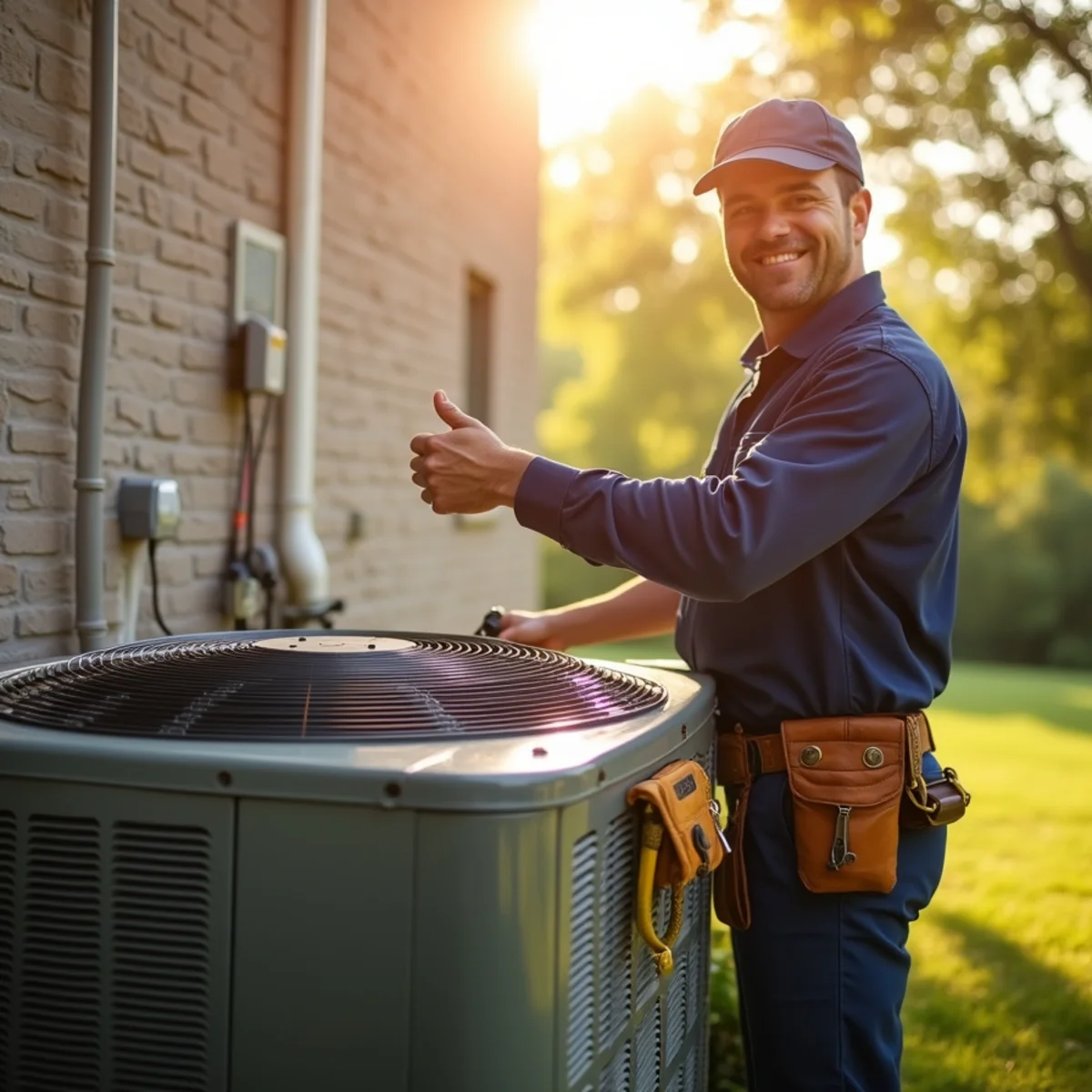
If your AC quits during a severe heat advisory, first switch the thermostat to OFF and set the fan to AUTO (or ON if you need to thaw an iced coil). Check the outdoor condenser unit to see if the fan is spinning or humming. Look for a tripped 240V breaker in your panel. Never spray high-pressure water into electrical controls or chip ice with tools. Call (321) 478-0693 for emergency dispatch, close all blinds on sun-facing windows, avoid using ovens, and stay on the lowest level of your home where temperatures remain cooler.
First: assess the physical symptoms of your cooling failure
Before calling dispatch, take 60 seconds to note what the equipment is actually doing. Is the indoor blower pushing air through the vents, but the air is room temperature? Is the outdoor condenser completely silent, or is it humming loudly without the fan blade spinning? Do you see white ice forming along the insulated copper suction line?
Sharing these specific observations with our dispatch team helps the technician grab the exact replacement parts — like a dual-run capacitor, contactor, or condensate float switch — before rolling out.
Safe triage checks you can perform right away
1. Inspect the Air Filter: A clogged filter starves the system of air and drops evaporator coil temperatures below freezing. If the filter is dirty, replace it immediately.
2. Check the Condensate Drain Pan: Look inside your indoor air handler closet. If water has backed up in the drain pan, a safety float switch has likely cut 24V power to protect your ceilings.
3. Check the Double-Pole AC Breaker: Air conditioners pull heavy amperage on hot afternoons. Reset a tripped breaker once only.
4. Check the Outdoor Disconnect Box: Ensure the pull-out handle on the exterior disconnect box near the condenser is firmly seated.
If the coil is iced over: how to thaw it properly
If you see frost or ice on the copper pipes or indoor coil, the unit cannot cool until the ice melts. Turn the thermostat mode to OFF, but set the fan switch to ON. This blows ambient indoor air over the coil, safely melting the ice.
Place towels around the base of the indoor unit to catch runoff, and never use sharp knives, ice picks, or blowtorches, which puncture aluminum coil fins instantly.
How to keep your Bel Air home cool while waiting for service
In Maryland’s humid climate, indoor temperatures can climb into the upper 80s quickly. To keep your family comfortable while the technician travels:
• Block Solar Heat Gain: Draw all heavy curtains, blinds, and drapes on southern and western windows.
• Congregate on Lower Levels: Heat rises. Spend time on the main floor or finished basement, which stay up to 8 degrees cooler than second-floor bedrooms.
• Eliminate Heat Sources: Avoid using dishwashers, clothes dryers, and ovens. Use microwaves or eat cold meals.
• Create Air Movement: Run ceiling fans counter-clockwise to produce a cooling breeze on skin.
Frequently Asked Questions
Quick answers based on Harford County equipment and climate realities.
Why is my outdoor unit humming loudly but the fan is not spinning?
A loud hum without fan blade rotation usually indicates a failed start/run capacitor or a seized condenser fan motor. The motor is receiving high-voltage current but lacks the phase-shifted torque to start spinning. Shut the system off at the thermostat to prevent motor burnout.
Can I hose down my outdoor AC unit to help it cool better?
Gently rinsing accumulated grass clippings and dirt from the exterior condenser fins with a low-pressure garden hose is beneficial. However, never use high-pressure sprayers or direct water into the electrical control cabinet.
Have a specific question about your HVAC system?
Related Bel Air HVAC Services & Coverage Areas
Have Questions About Your Heating or Cooling System?
Speak directly with a local dispatcher who knows Harford County equipment, fuel lines, and climate requirements.
Bynum Run Air Experts
Serving Bel Air, MD 21014 and nearby areas
Open 24 hours, 7 days a week